Air conditioners often fail during the hottest part of the summer because extreme heat forces the system to run longer, cycle more often, and work against higher outdoor temperatures.
The heat itself may not be the only problem. In many cases, a component was already dirty, worn, weak, or close to failing. A stretch of 95- or 100-degree weather simply pushes it beyond what it can handle.
Common causes include restricted airflow, dirty coils, weak capacitors, electrical problems, low refrigerant, overheating motors, and aging compressors.
Extreme Heat Puts More Demand on Your AC
Your air conditioner removes heat from inside your home and releases it outdoors. As the outdoor temperature rises, releasing that heat becomes more difficult.
The system may need to run much longer to reach the thermostat setting. On very hot days, it may operate almost continuously, especially when the home has poor insulation, air leaks, undersized ductwork, or direct afternoon sun.
Longer run times increase stress on:
- Capacitors
- Fan motors
- Compressors
- Electrical connections
- Refrigerant components
- Blower motors
A healthy, properly maintained system is designed to handle summer weather. Problems are more likely when the equipment is already struggling.
A Weak Capacitor Finally Fails
Capacitors provide the electrical boost that helps motors start and continue running. They are used by components such as the compressor, outdoor fan, and indoor blower.
Heat is especially hard on capacitors. A weakened capacitor may continue working during milder weather but fail when the system begins starting frequently or running for extended periods.
Signs of a capacitor problem can include:
- Humming from the outdoor unit
- A fan that does not start
- Delayed system startup
- Intermittent cooling
- Clicking without operation
- An AC that shuts down unexpectedly
Capacitors hold an electrical charge and should only be tested or replaced by a trained technician.
Dirty Coils Cannot Release Heat Effectively
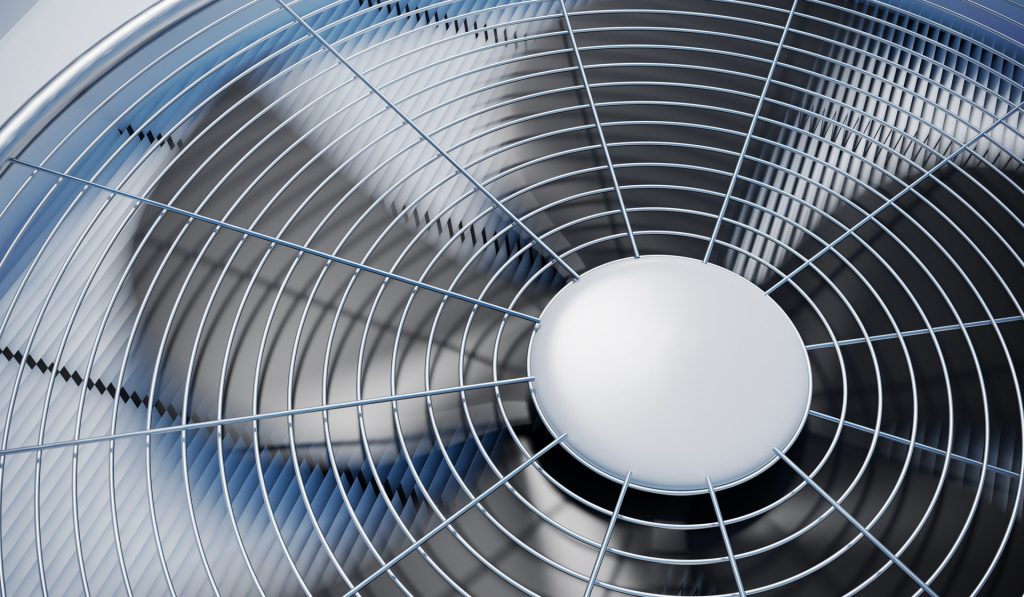
The outdoor condenser coil releases heat from the refrigerant into the surrounding air. Dirt, grass clippings, dust, leaves, and other debris can reduce airflow across the coil.
On a mild day, the system may still provide some cooling. During extreme heat, the dirty coil may prevent the equipment from releasing heat quickly enough.
This can lead to:
- Longer cooling cycles
- Higher electrical use
- Reduced cooling capacity
- Overheating
- High-pressure shutdowns
- Compressor strain
Keep weeds, landscaping, and loose debris away from the outdoor unit. Deep coil cleaning should be performed carefully to avoid damaging the fins or electrical components.
Restricted Airflow Can Freeze the System
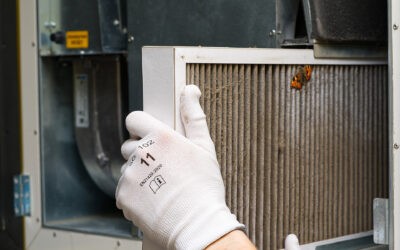
Your AC needs a steady flow of indoor air across the evaporator coil. A dirty filter, blocked return vent, failing blower, or dirty indoor coil can restrict that airflow.
When too little warm air passes over the coil, its temperature may drop low enough for condensation to freeze. Ice then blocks even more airflow, and the system may eventually stop cooling.
Watch for:
- Weak airflow
- Ice on refrigerant lines
- Water around the indoor unit
- Long run times
- Warm air from the vents
- A system that works again after being turned off
If you see ice, shut off the cooling function and allow the system to thaw. Do not chip or scrape the ice away. Schedule service if freezing returns.
Electrical Components Can Overheat
Extended run times can expose loose connections, damaged wiring, worn contacts, or failing motors.
Call for service when you notice:
- A repeatedly tripped breaker
- Burning or electrical odors
- Buzzing or crackling sounds
- Intermittent operation
- A hot electrical panel or disconnect
- An outdoor unit that suddenly goes silent
A tripped breaker may be reset once when there are no signs of damage. Do not keep resetting it if it trips again.
Low Refrigerant Becomes More Noticeable
An air conditioner with low refrigerant may appear to work during cooler weather but struggle badly when temperatures rise. Because refrigerant circulates through a closed system, a low charge usually indicates a leak or an installation problem.
Possible signs include:
- Insufficient cooling
- Frozen coils or refrigerant lines
- Hissing sounds
- Long cycles
- Rising electricity bills
- Warm air from the vents
Refrigerant problems require professional testing. Simply adding refrigerant without locating the cause won’t solve the problem.
An Aging Compressor May Overheat
The compressor is one of the hardest-working components in an air-conditioning system. It circulates refrigerant and allows the system to transfer heat.
During extreme weather, an aging or damaged compressor may overheat, fail to start, or shut down through an internal safety switch. It may begin working again after cooling off, only to stop later when the heat and pressure rise.
Possible warning signs include:
- Loud humming or clicking
- Hard starting
- Frequent breaker trips
- An outdoor fan that runs without cooling
- Repeated shutdowns during the afternoon
- Cooling that returns after sunset
A technician should test the compressor and its supporting components before determining whether a major repair or replacement is needed.
Your AC May Be Running but Falling Behind
Sometimes the system has not actually failed. It simply can’t cool the home as quickly as heat is entering it.
During extreme weather, indoor temperatures may rise because of:
- Poor attic insulation
- Air leaks around windows and doors
- Unshaded west-facing windows
- Leaky ductwork
- An undersized system
- Heavy appliance use
- Frequent opening of exterior doors
A small difference between the thermostat setting and the indoor temperature does not always mean the AC is broken. However, warm air, weak airflow, unusual noises, ice, or sudden performance changes indicate a problem that should be inspected.
How to Reduce the Risk of a Hot-Weather Breakdown
You cannot control the outdoor temperature, but you can reduce unnecessary strain on your cooling system.
Before and during the hottest part of summer:
- Replace dirty air filters.
- Keep return and supply vents open.
- Clear debris from around the outdoor unit.
- Close blinds or curtains during peak sun.
- Use ceiling fans to improve comfort.
- Schedule maintenance before problems develop.
- Call when the system begins behaving differently.
Preventive maintenance cannot eliminate every breakdown, but it can identify dirty components, weak electrical parts, airflow problems, and other concerns before the most demanding days arrive.
Get AC Repair During the East Texas Heat
Extreme heat often exposes weak parts, restricted airflow, dirty equipment, or other issues that were already reducing performance.
Faithco provides AC repair for East Texas homes and businesses dealing with sudden shutdowns, electrical failures, frozen coils, refrigerant problems, weak airflow, and other summer cooling emergencies.
Our technicians inspect the system, explain what caused the failure, and recommend the repair needed to restore dependable cooling.
Call 903-882-3660 when your AC stops working and the temperature will not wait.
Frequently Asked Questions
Why does my AC stop working in the afternoon?
Afternoon temperatures place the greatest demand on the system. Weak electrical components, dirty coils, low refrigerant, overheating motors, and compressor problems may only become apparent after several hours of operation.
Should I turn off my AC if it keeps shutting down?
Yes, especially when the system repeatedly starts and stops, trips a breaker, makes unusual noises, or produces burning odors. Continuing to run malfunctioning equipment may cause additional damage.
Can a dirty air filter make an AC shut down?
Yes. A severely clogged filter can restrict airflow, contribute to coil freezing, increase equipment temperature, and trigger system shutdowns.
Is it normal for an AC to run all day during extreme heat?
Long run times can be normal when outdoor temperatures are unusually high. However, the system should still produce cool air and maintain reasonable indoor comfort. Warm air, ice, weak airflow, or a sudden decline in performance should be inspected.
Does an AC breakdown mean I need a new system?
Not always. Many hot-weather failures involve repairable parts such as capacitors, contactors, fan motors, clogged components, or electrical connections. Replacement may be worth considering when the system is older, inefficient, or experiencing repeated major repairs.