And When to Call for a Professional Repair
When your air conditioner is running, but the air coming from the vents is warm, the problem may be as simple as an incorrect thermostat setting or as serious as a refrigerant leak, electrical failure, or damaged compressor.
Start by checking the thermostat, air filter, vents, and breaker panel. If those basic checks don’t solve the problem—or you notice ice, unusual noises, burning odors, or repeated breaker trips—turn the system off and call an HVAC technician.
Common Reasons an AC Blows Warm Air
An air conditioner relies on proper airflow, electrical power, refrigerant circulation, and working indoor and outdoor components. A problem in any of these areas can prevent the system from removing heat from your home.
The most common causes include:
- Incorrect thermostat settings
- A clogged air filter
- A tripped breaker or electrical problem
- A dirty or blocked outdoor unit
- A frozen evaporator coil
- Low refrigerant caused by a leak
- A failed capacitor or contactor
- Indoor blower problems
- Compressor failure
- Damaged or disconnected ductwork
Some of these problems can be checked safely by a homeowner. Others require testing and repair by a licensed HVAC technician.
1. Your Thermostat Is Set Incorrectly
Before assuming something has failed, check the thermostat.
Make sure it is:
- Set to Cool
- Set below the current indoor temperature
- Displaying the correct time and schedule
- Powered by working batteries, when applicable
- Set to Auto rather than On
When the fan is set to On, the blower can continue circulating air even when the outdoor cooling equipment is not operating. The air coming from the vents may feel warm or room temperature between cooling cycles. Carrier identifies incorrect thermostat settings, including a fan set to “On” instead of “Auto,” as a common reason an AC runs without delivering cold air.
Change the setting to Auto and give the system several minutes to respond.
2. The Air Filter Is Restricting Airflow
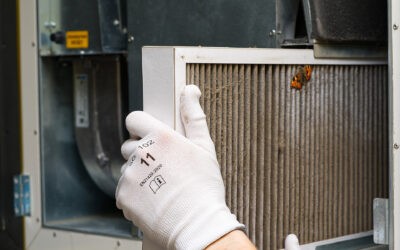
A dirty filter makes it harder for air to move through the system. Reduced airflow can lower cooling performance, place additional strain on the motor, and contribute to a frozen evaporator coil.
Remove the filter and inspect it. Replace it when it is covered with dust or you cannot easily see light through the material.
Use the filter type and size recommended for your system. A filter that is too restrictive can also interfere with airflow, even when it looks clean.
3. The Outdoor Unit Has Lost Power
The indoor fan may continue moving air through the vents even when the outdoor equipment has stopped operating.
Check whether the outdoor unit is running. You may hear the fan and compressor operating or feel warm air leaving the top of the unit.
When the outdoor system is silent:
- Check the HVAC breakers in the electrical panel.
- Look for a clearly tripped breaker.
- Reset it only once, provided there is no burning odor, visible damage, or other safety concern.
Do not repeatedly reset a breaker. A breaker that trips again may indicate an electrical or mechanical problem that needs professional attention.
4. The Outdoor Condenser Is Dirty or Blocked
The outdoor unit releases heat collected from inside your home. Grass clippings, leaves, dust, weeds, fencing, stored items, and other obstructions can interfere with airflow around the condenser.
Turn the system off before inspecting the area. Remove loose debris and provide open space around the cabinet.
Do not bend the delicate coil fins, open the equipment cabinet, or use excessive water pressure. A technician may need to clean the condenser professionally when dirt has accumulated deep within the coil.
5. The Evaporator Coil Is Frozen
Ice on the indoor coil or copper refrigerant lines can prevent the AC from absorbing heat properly. The system may initially produce weak cooling and eventually begin blowing warm air.
A frozen coil can result from:
- A dirty filter
- Blocked return vents
- A dirty evaporator coil
- A blower problem
- Low refrigerant
- A malfunctioning thermostat
- Other airflow restrictions
If you see ice, turn the cooling system off. You may set the thermostat fan to On to circulate room-temperature air across the coil, provided there are no electrical concerns or unusual odors.
Do not continue running the AC in cooling mode. Operating a frozen system can place more strain on the equipment, and the water produced as the ice melts may overflow the drain system.
Call for service if the coil freezes again after thawing or the cause is not obvious.
6. The System Has a Refrigerant Leak
Refrigerant allows an air conditioner to absorb heat indoors and release it outdoors. An AC does not normally consume refrigerant as it operates. Low refrigerant generally means that the system has an incorrect charge or a leak.
Possible signs include:
- Warm or insufficiently cooled air
- Ice on the refrigerant line or indoor coil
- Long cooling cycles
- Hissing or bubbling sounds
- Increasing electricity use
- Oily residue near refrigerant components
A technician must locate the leak, determine whether it can be repaired, and charge the system correctly. The U.S. Environmental Protection Agency recommends repairing AC refrigerant leaks rather than simply adding more refrigerant. The EPA also advises homeowners to use technicians who are appropriately certified to handle refrigerants.
Avoid do-it-yourself refrigerant kits. Adding refrigerant without correcting the leak or confirming the proper charge can leave the original problem unresolved.
7. An Electrical Component Has Failed
Air conditioners depend on capacitors, contactors, wiring, relays, motors, control boards, and other electrical components. A failed part may prevent the outdoor fan, compressor, or indoor blower from starting.
Possible warning signs include:
- Humming or buzzing
- Clicking without startup
- Intermittent cooling
- A fan that will not turn
- Repeated breaker trips
- A system that starts and stops unexpectedly
- Burning or electrical odors
Electrical diagnosis should be left to a qualified technician. Air-conditioning components can retain a dangerous electrical charge even after power has been disconnected.
8. The Indoor Blower Is Not Moving Enough Air
The blower moves cooled air across the evaporator coil and through the duct system. A worn motor, failing capacitor, dirty blower wheel, control problem, or airflow restriction may reduce the amount of air reaching your rooms.
You may notice:
- Very little air coming from the vents
- Some vents producing more air than others
- Whistling or rattling sounds
- Ice forming on the system
- A blower that starts inconsistently
- Warm rooms despite long run times
Because weak airflow can be caused by several different problems, an HVAC technician may need to test the motor and controls while also inspecting the filter, coil, returns, and ductwork.
9. The Compressor Is Not Operating Properly
The compressor circulates refrigerant through the cooling system. When it cannot start or operate correctly, the indoor fan may still run, but the AC will not remove enough heat from the home.
A compressor problem may be related to the compressor itself or to another part that helps it start and run, such as a capacitor, contactor, control, or electrical connection.
Compressor symptoms can include:
- Warm air from the vents
- Loud humming, clicking, or rattling
- An outdoor fan that runs without effective cooling
- Frequent breaker trips
- Difficulty starting
- A sudden increase in electricity use
Compressor problems require professional testing. A technician should determine whether the compressor has failed or whether another repairable component is preventing it from operating.
10. Cool Air Is Escaping Through the Ductwork
Sometimes the AC equipment is producing cold air, but damaged, disconnected, or poorly insulated ducts allow that air to escape before it reaches the rooms.
Duct problems are more likely when:
- Airflow is weak in specific rooms
- One area stays much warmer than the rest of the home
- Energy bills have increased
- The system runs for long periods
- Attic or crawl-space ductwork is old or visibly damaged
A duct inspection can identify loose connections, collapsed sections, leaks, insulation damage, and airflow problems that may be affecting comfort.
What Should You Check Before Calling for AC Repair?
You can safely perform a few basic checks:
- Confirm the thermostat is set to Cool and Auto.
- Lower the temperature setting several degrees.
- Replace a dirty air filter.
- Make sure supply and return vents are open and unobstructed.
- Check the breaker panel once.
- Look for ice or water near the indoor unit.
- Remove loose debris from around the outdoor equipment.
Give the system a few minutes to respond after correcting a thermostat or power issue.
Do not remove equipment panels, handle wiring, open refrigerant lines, or repeatedly reset breakers.
When Should You Turn the AC Off?
Turn the system off and request professional help when you notice:
- Ice on the coil or refrigerant lines
- A burning or electrical smell
- Smoke or sparks
- A breaker that trips repeatedly
- Loud grinding or metal-on-metal noises
- Water approaching electrical equipment
- An outdoor unit that hums but does not start
- Warm air that continues after basic troubleshooting
Shutting the equipment down may help prevent additional damage while you arrange for service.
Does Warm Air Mean You Need a New AC?
Not necessarily.
Many causes of warm air can be repaired, including thermostat problems, clogged drain lines, failed capacitors, dirty coils, blower issues, electrical faults, and some refrigerant leaks.
Replacement may deserve consideration when:
- The system is approaching the end of its expected service life
- Major components have failed
- Repair costs are substantial
- Refrigerant leaks keep returning
- The AC needs repairs every summer
- Cooling remains uneven after previous repairs
- Electricity use continues rising
- The equipment no longer manages humidity effectively
The right decision depends on the system’s age, condition, repair history, efficiency, and the cost of the current problem. A technician should explain both repair and replacement options when either could reasonably solve the issue.
Get AC Repair in Quitman, TX
Warm air coming from your vents is a sign that part of the cooling process is not working as it should. The sooner the cause is identified, the better your chances of avoiding prolonged discomfort or additional system damage.
Faithco provides air conditioner repair in Quitman, TX, for homes and businesses dealing with poor cooling, frozen coils, weak airflow, electrical problems, refrigerant leaks, and unexpected breakdowns.
Our licensed technicians inspect the complete system, explain what they find, and recommend the repair that makes sense for the condition of your equipment.
Call 903-882-3660 or schedule service when your AC is running but your home keeps getting warmer.
Frequently Asked Questions
Why is my AC blowing warm air but the outside unit is running?
The system may have restricted airflow, dirty coils, low refrigerant, a frozen evaporator coil, compressor trouble, or another mechanical problem. Check the thermostat and filter first. If both are correct, schedule an inspection.
Can a dirty filter cause an AC to blow warm air?
Yes. A clogged filter restricts airflow and can reduce cooling performance. In more severe cases, low airflow can contribute to a frozen evaporator coil, which further limits the system’s ability to cool the home.
Should I turn my AC off when it is blowing warm air?
Turn it off when you see ice, smell something burning, hear severe mechanical noises, or notice repeated breaker trips. If the system is simply blowing room-temperature air, you can first check the thermostat, filter, vents, and breaker.
How long should I wait before calling an AC technician?
After correcting a thermostat setting, replacing a dirty filter, or resetting a tripped breaker once, allow the system approximately 10 to 15 minutes to begin cooling. Call for service if the air remains warm or the problem returns.
Can low refrigerant be fixed by adding more?
Adding refrigerant does not correct the reason it became low. The leak should be located and repaired when feasible before the system is recharged. The EPA recommends addressing leaks rather than repeatedly topping off the refrigerant.